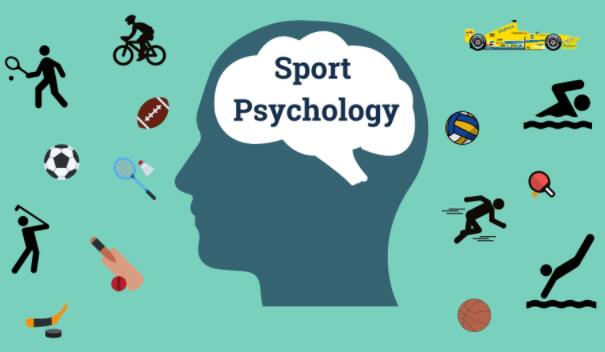
In the realm of sports psychology, the mind is the ultimate playing field where victories are forged, and champions are made. Understanding the intricate dynamics between the mental and physical aspects of athletic performance is key to unlocking one's full potential. Let's delve into the realm of sports psychology and explore how it shapes the mindset, performance, and success of athletes across various disciplines.
The Mind-Body Connection in Sports Psychology
Sports psychology delves into the deep interconnection between the mind and body in athletic performance. Athletes who harness the power of their minds can enhance their physical abilities and achieve peak performance. Take, for example, the legendary tennis player, Serena Williams. Beyond her exceptional physical prowess, Williams attributes a significant part of her success to her mental resilience and focus on the court. By employing visualization techniques, positive self-talk, and goal-setting strategies, she exemplifies how sports psychology can elevate performance to unprecedented levels.
Overcoming Mental Barriers: The Key to Success
In the competitive world of sports, overcoming mental barriers is often the differentiating factor between success and mediocrity. Consider the case of Michael Phelps, the most decorated Olympian of all time. Despite his unparalleled swimming abilities, Phelps struggled with anxiety and depression throughout his career. Through the guidance of sports psychologists, he learned to channel his emotions positively, turning his mental health challenges into sources of strength. By acknowledging and addressing his inner demons, Phelps was able to achieve historic feats in the pool.
Building Resilience Through Adversity
Adversity is an inevitable part of an athlete's journey, and how one navigates through challenges can define their career trajectory. The concept of resilience, deeply rooted in sports psychology, emphasizes the ability to bounce back from setbacks stronger than before. Take the inspiring story of NBA superstar LeBron James. From humble beginnings to facing intense scrutiny and pressure on and off the court, James has demonstrated unwavering resilience in the face of adversity. By cultivating a growth mindset, embracing failure as a stepping stone to success, and seeking support from sports psychologists, James continues to defy expectations and rewrite basketball history.
The Role of Goal Setting in Athletic Achievement
Goal setting is a fundamental principle in sports psychology that empowers athletes to crystallize their aspirations and pave a path towards success. Setting specific, measurable, achievable, relevant, and time-bound (SMART) goals provides athletes with a roadmap for progress and growth. A prime example is Usain Bolt, the world's fastest man. Bolt's meticulous goal-setting rituals, coupled with visualization techniques and mental preparation, propelled him to multiple Olympic gold medals and world records. By setting audacious yet attainable goals, Bolt exemplifies the transformative power of sports psychology in realizing athletic dreams.
Mindfulness and Peak Performance
In the fast-paced and high-pressure world of sports, mindfulness emerges as a potent tool for enhancing focus, clarity, and performance. By cultivating mindfulness practices such as meditation, deep breathing, and body awareness, athletes can sharpen their concentration and stay present in the moment. Novak Djokovic, the tennis maestro known for his mental fortitude on the court, attributes much of his success to mindfulness training. Through mindfulness, Djokovic hones his mental acuity, manages stress effectively, and sustains peak performance during crucial matches.
Embracing Failure: A Pathway to Growth
In sports psychology, the concept of embracing failure as a stepping stone to success is a transformative mindset embraced by elite athletes. Failure is not an endpoint but a catalyst for growth, learning, and self-improvement. Consider the journey of Simone Biles, the gymnastics icon renowned for her gravity-defying feats. Despite facing setbacks and injuries throughout her career, Biles embraces failure as a teacher, not a deterrent. With the support of sports psychologists, she reframes setbacks as opportunities for resilience-building and skill enhancement, fueling her relentless pursuit of excellence.
Cultivating Mental Toughness and Grit
Mental toughness and grit are the cornerstones of athletic success, underpinned by the principles of sports psychology. Athletes who exhibit unwavering mental fortitude can weather storms, push through pain barriers, and emerge victorious in the face of adversity. The story of Tom Brady, the NFL quarterback with multiple Super Bowl championships, epitomizes mental toughness in action. By cultivating a growth mindset, fostering resilience through challenges, and seeking guidance from sports psychologists, Brady continues to defy age and expectations, showcasing the enduring power of mental toughness in sports.
The Winning Mindset: A Blueprint for Success
In conclusion, sports psychology serves as a potent catalyst for unlocking the full potential of athletes, shaping their mindset, performance, and success on and off the field. By embracing the mind-body connection, overcoming mental barriers, building resilience through adversity, setting ambitious goals, practicing mindfulness, embracing failure, and cultivating mental toughness, athletes can transcend limitations and achieve greatness. As we navigate the intricate landscape of sports psychology, let us remember that the true essence of victory lies not just in physical prowess but in the unwavering belief, resilience, and mindset that propel athletes towards their dreams. Embrace the power of sports psychology, and let your journey to peak performance begin.